The Debate That Won't Go Away
Walk into any serious wellness community — online or offline — and the question of infrared versus traditional saunas will surface within minutes. It's one of the most genuinely contested debates in the wellness world, and unlike many such debates, it actually has meaningful practical implications for how you approach your sauna practice.
The controversy exists because both sides have legitimate arguments. Traditional Finnish sauna advocates point to centuries of cultural tradition and decades of rigorous epidemiological research. Infrared sauna proponents highlight lower operating temperatures (making the experience more accessible), claims of deeper tissue penetration, and a growing body of clinical evidence for specific therapeutic applications.
As someone trained in exercise science and health administration, my approach to this question is to follow the evidence while respecting practical constraints. Here's what the science actually shows, and how to make the right choice for your situation.
How Traditional (Finnish) Saunas Work
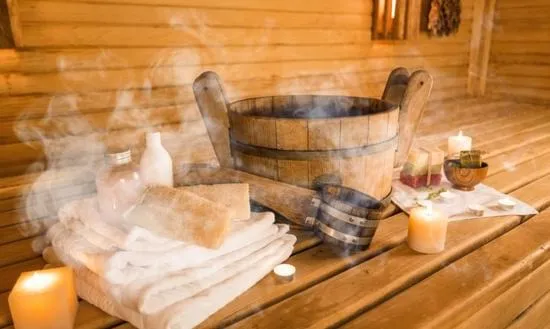
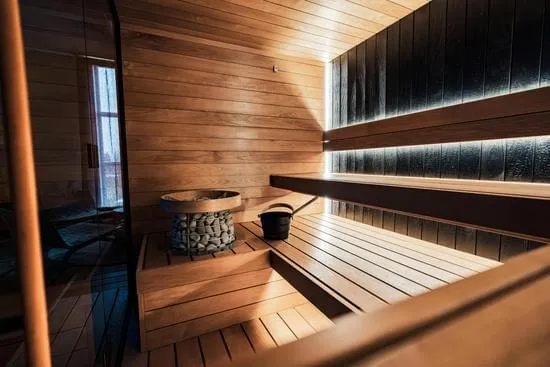
The traditional Finnish sauna has a simple but elegant design: a well-insulated room lined with softwood timber (typically spruce or alder), heated by a kiuas (a stove loaded with volcanic rocks). The kiuas heats the air and the rocks to temperatures of 80–100°C. Humidity can be controlled by ladling water onto the hot rocks — producing steam (löyly) that temporarily raises perceived temperature and opens the pores.
The heat transfer in a traditional sauna is primarily convective (hot air surrounding the body) with some radiant element from the heated walls and ceiling. Core body temperature rises to approximately 38–39°C during a typical session. Heart rate increases to 100–150 bpm — comparable to light to moderate aerobic exercise. Peripheral vasodilation diverts blood flow to the skin for cooling, increasing cardiac output significantly.
The cultural context matters too. In Finnish tradition, the sauna is not merely a health tool — it is a sacred space, a place for honest conversation, relaxation, and community. The practice of bathing with family, taking the löyly, cooling in a lake, and repeating has been embedded in Finnish life for thousands of years. This cultural depth gives the traditional sauna a dimension that transcends its physiology.
How Infrared Saunas Work
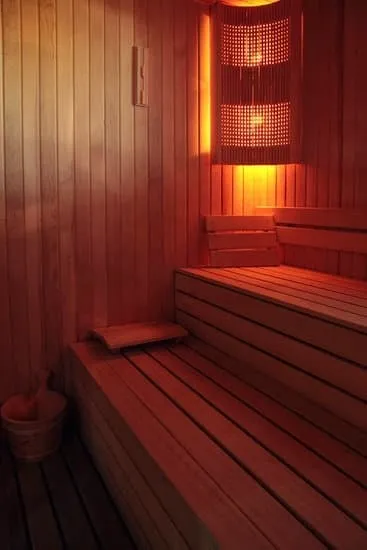
Infrared saunas operate on a fundamentally different principle. Rather than heating the air around you, infrared heaters emit infrared radiation — electromagnetic waves in the infrared spectrum — that are absorbed directly by the body's tissues. The air temperature in an infrared sauna is much lower (typically 45–65°C) because the heat transfer is direct rather than convective.
Infrared radiation exists along a spectrum. Near-infrared (NIR, 0.7–1.5 μm) penetrates deepest into tissue (up to 3 cm), reaching muscle and joint tissues. Mid-infrared (MIR, 1.5–5.6 μm) penetrates slightly less deeply. Far-infrared (FIR, 5.6–1000 μm) is absorbed primarily at the skin surface and is the type used in most commercial infrared saunas. Some premium units offer "full spectrum" coverage across all three types.
The lower ambient temperature of infrared saunas makes them more accessible for people who find traditional sauna temperatures overwhelming, and allows for longer sessions without the cardiovascular strain of high-heat exposure. Session times of 30–45 minutes are common in infrared saunas, compared to the 15–20 minute sessions typical of traditional saunas.
Head-to-Head Comparison
Research Sources
- Laukkanen, T. et al. (2015). "Association Between Sauna Bathing and Fatal Cardiovascular and All-Cause Mortality Events." JAMA Internal Medicine. jamanetwork.com
- Vatansever, F. & Hamblin, M.R. (2012). "Far infrared radiation and its biological effects." Photonics & Lasers in Medicine. ncbi.nlm.nih.gov
- University of Eastern Finland. "Sauna and cardiovascular health research." uef.fi
| Feature | Traditional (Finnish) | Infrared |
|---|---|---|
| Temperature | 80–100°C (176–212°F) | 45–65°C (113–149°F) |
| Humidity | 10–30% (variable with löyly) | Very low (<20%) |
| Session Time | 15–20 minutes per round | 30–45 minutes |
| Heat Transfer | Convective (air) + radiant | Direct infrared radiation |
| Tissue Penetration | Surface-level via hot air | 1–3 cm (wavelength dependent) |
| Cardiovascular Evidence | Extensive (decades of research) | Growing (more limited) |
| Accessibility | Moderate (requires heat tolerance) | High (lower temperatures) |
| Cultural Tradition | Thousands of years (Finnish, Nordic) | Modern (developed 20th century) |
| Home Installation Cost | $3,000–$15,000+ | $800–$5,000 |
| Operating Cost | Higher (more energy to heat air) | Lower (direct heating) |
| Space Requirements | Dedicated room, ventilation required | Can use in smaller spaces |
| Common in Barcelona | Yes — dominant in thermal spas | Available — less widespread |

Research Evidence: What the Science Actually Shows
The cardiovascular research on traditional saunas is the most compelling body of evidence in the entire sauna health literature. The Finnish cohort studies — particularly the work of Tanjaniina Laukkanen and colleagues at the University of Eastern Finland — represent decades of rigorous follow-up in a population with genuine, high-frequency sauna use. The magnitude of cardiovascular benefit found in these studies (40–63% reduction in fatal cardiovascular events in high-frequency users) is extraordinary by any standard of preventive medicine evidence.
For infrared saunas, the research base is smaller but growing. Several randomised controlled trials and observational studies have found benefits for chronic heart failure patients, hypertension management, chronic pain (particularly fibromyalgia and rheumatoid arthritis), and certain neurological conditions. The Japanese research tradition, where infrared saunas (called waon therapy) have been used clinically for decades, provides meaningful clinical evidence for specific therapeutic applications.
What we cannot currently conclude is whether infrared saunas deliver equivalent cardiovascular protection to traditional saunas at the population level. The epidemiological studies simply haven't been done — the populations using high-frequency infrared saunas don't yet have the decades of follow-up data that the Finnish studies have accumulated.
Who Should Choose Which
My evidence-based recommendation depends on your specific situation and goals:
Choose traditional (Finnish) sauna if: You are primarily focused on cardiovascular health benefits and want the most evidence-backed option. You enjoy and tolerate higher temperatures. You value the cultural dimension of sauna practice. You want the community experience of shared sauna use. You can access a quality traditional sauna facility (as in Barcelona's thermal spas).
Choose infrared sauna if: You are heat-sensitive or find traditional sauna temperatures overwhelming. You have specific therapeutic goals that infrared research supports (chronic pain, certain cardiovascular conditions, skin health). You want to install a home unit with lower upfront cost and space requirements. You prefer longer, lower-intensity sessions.
Use both if possible. Many dedicated practitioners integrate both types into their regular practice — using traditional sauna for cardiovascular intensity and the authentic cultural experience, and infrared sauna for recovery, targeted therapeutic sessions, or home use. The two approaches are genuinely complementary rather than competing.
Barcelona Context: What You'll Find
If you're planning a wellness visit to Barcelona and wondering what sauna types you'll encounter, traditional saunas (Finnish style) and steam rooms (hammam) dominate the commercial spa landscape. The city's thermal circuit culture is built around the high-heat model — alternating between hot saunas, steam rooms, and cold plunge pools in the traditional Scandinavian fashion.
Infrared sauna options do exist in Barcelona, primarily in boutique wellness studios and some specialised health centres, but they are less prevalent in the mainstream spa venues. For the full Barcelona thermal experience — and to access the venues covered in our Barcelona spa rankings and our Dynamic Barcelona review — the traditional sauna experience is what you'll primarily be working with.
"The best sauna is the one you'll actually use consistently. Both infrared and traditional options offer genuine health benefits — the evidence is clear on that. Choose based on what fits your life, your health goals, and your access."— Steven Edwards, MHA, Founder of HealthCircles
Infrared vs Traditional Sauna: Expert Explainer
Frequently Asked Questions
Traditional Finnish saunas have a significantly larger body of cardiovascular research behind them, including long-term cohort studies showing dramatic reductions in cardiovascular mortality. Infrared saunas also provide cardiovascular benefits, but the evidence base is smaller and the physiological stimulus less intense.
Infrared saunas may be more accessible for heat-sensitive individuals due to lower operating temperatures. For healthy adults, neither type carries significant safety risks when used appropriately. Key safety principles — adequate hydration, reasonable session length, avoiding alcohol — apply to both.
The physics is correct — infrared radiation penetrates tissue to 1–3 cm depending on wavelength, compared to surface-level heat transfer from hot air. Whether this deeper penetration translates to meaningfully different health outcomes remains an area of active research.
Yes. Daily sauna use is safe and common in Finland. The Finnish longitudinal studies showing the greatest cardiovascular benefit were conducted in populations using saunas 4–7 times per week. For healthy adults without contraindications, daily use at appropriate temperatures carries no known health risks.
Entry-level infrared cabins start at $800–$2,000. Traditional saunas typically start at $3,000–$5,000 for basic quality and can exceed $15,000 for custom builds. Operating costs favour infrared (lower power consumption). Traditional saunas are generally more durable long-term.
Traditional saunas (Finnish style and steam rooms) dominate Barcelona's commercial spa landscape. Infrared options exist in boutique wellness studios but are less prevalent in mainstream thermal circuit venues. For the typical Barcelona spa experience, you'll primarily encounter traditional sauna formats.